
How Transparent TPU PPF Is Made: From Raw Materials to Finished Film

At TOPCAR × AICI, we believe understanding the manufacturing process is an important step in choosing the right PPF supplier. From raw material preparation and coating to film processing and quality inspection, every stage contributes to the consistency and reliability of the finished product.
In this article, we take a closer look at the key stages involved in transparent TPU PPF manufacturing
1. Raw Materials: The Starting Point of TPU PPF
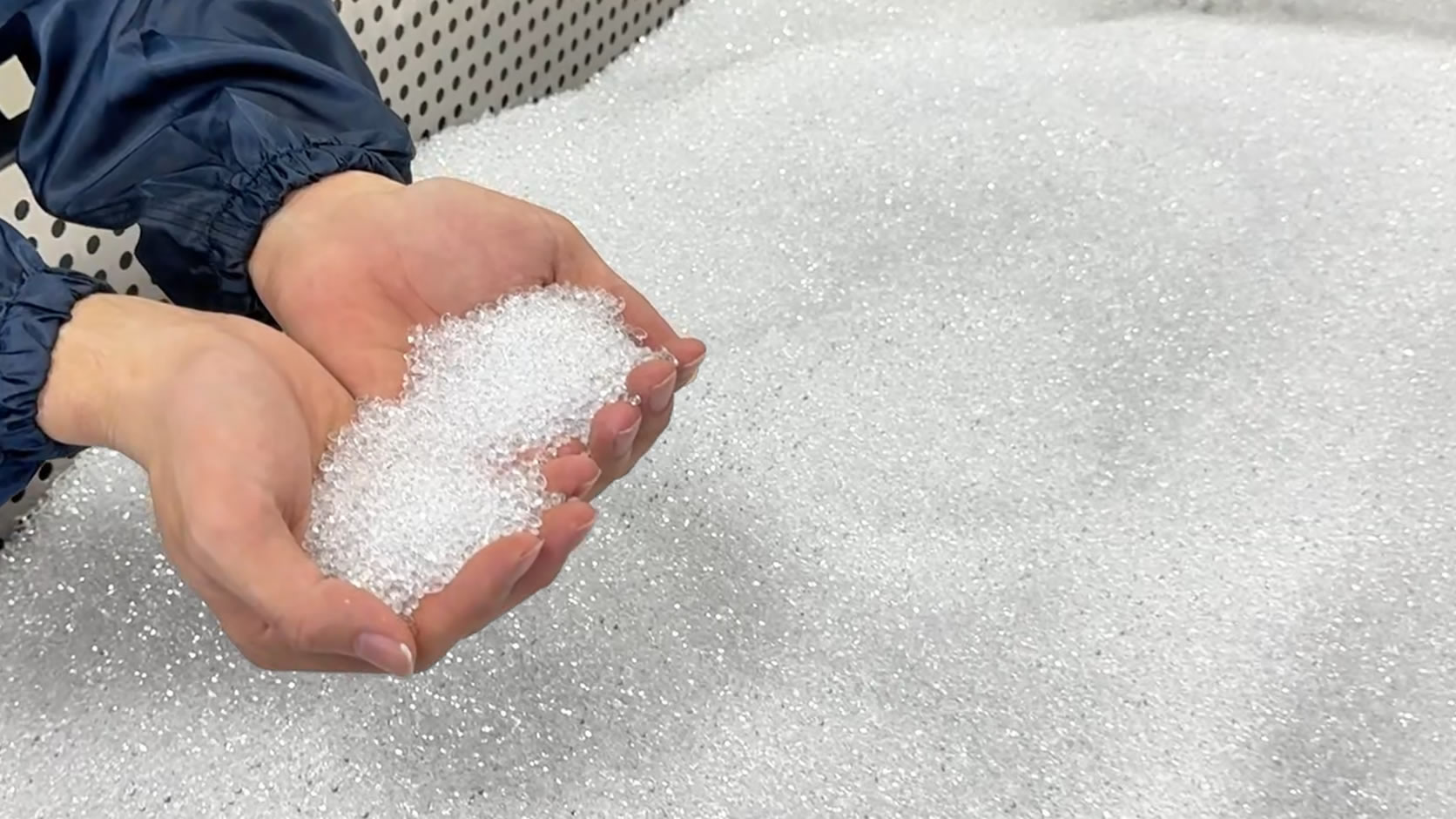
The manufacturing journey begins with raw materials.
Thermoplastic polyurethane (TPU) is widely used in automotive paint protection film because of its flexibility, toughness, and suitability for protective film applications. The characteristics of the selected TPU material influence how the film performs during manufacturing and in its intended application.
Material selection should therefore be based on the product's intended use, required performance, processing conditions, and quality specifications.
For PPF brands and distributors, understanding the material foundation can help when comparing suppliers and developing products for different market requirements.
2. Precision Coating: Building the Film Structure
Coating is a key stage in the production of transparent PPF.
Depending on the product design, the film may incorporate functional coating layers intended to support properties such as surface smoothness, stain resistance, and ease of maintenance.
Consistent coating application and process control are important for achieving uniform appearance and stable product characteristics. Production conditions must be managed according to the material system and the specifications of each product.
For customers evaluating a PPF manufacturer, it is worth discussing coating technology, product construction, and the quality controls used throughout production rather than relying on price alone.
3. Film Processing: From Production Material to Finished Rolls
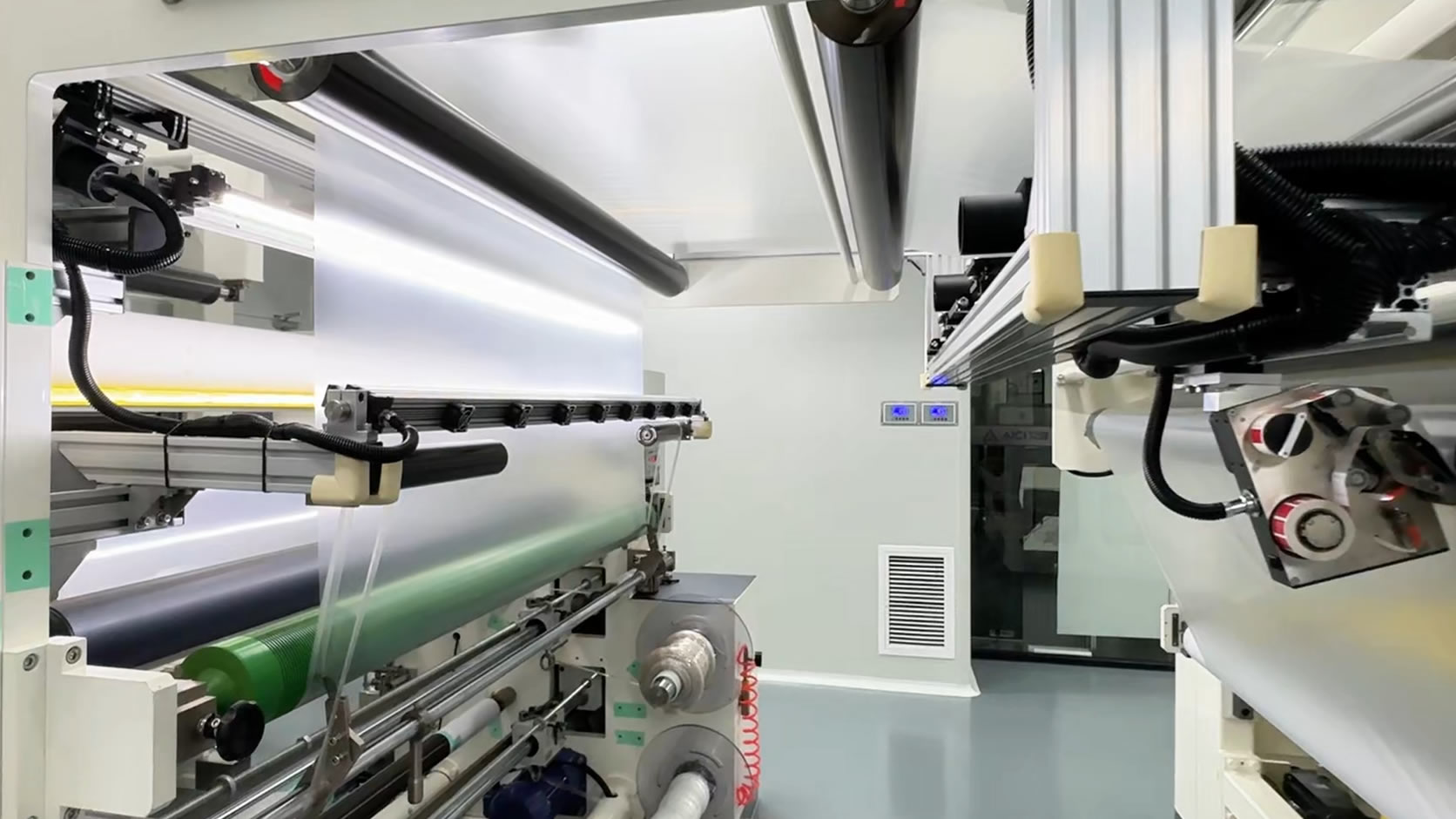
After the relevant film layers have been produced, the material proceeds through the required processing and finishing stages.
These operations may include handling, trimming, dimensional checks, surface inspection, and roll preparation, depending on the manufacturing process.
Careful material handling helps reduce the risk of contamination, surface marks, and other defects. Consistent finishing also helps ensure that the product is prepared appropriately for storage, transportation, and professional installation.
The goal is to deliver film rolls that meet the agreed product specifications and are ready for the next stage in the supply chain.
4. Quality Inspection: Supporting Product Consistency
Quality inspection is an important part of a reliable PPF manufacturing process.
Depending on the product specification, inspection may cover appearance, surface defects, dimensional consistency, and other relevant quality characteristics. Additional performance testing can be conducted where required by the product development plan or customer requirements.
For distributors, installers, and private-label brands, it is useful to understand how a supplier defines product specifications, manages production batches, and handles nonconforming materials.
A clear quality control process helps establish expectations between the manufacturer and the customer. Specific performance claims should always be supported by appropriate test results and product documentation.
5. Finished Transparent TPU PPF: Ready for Supply
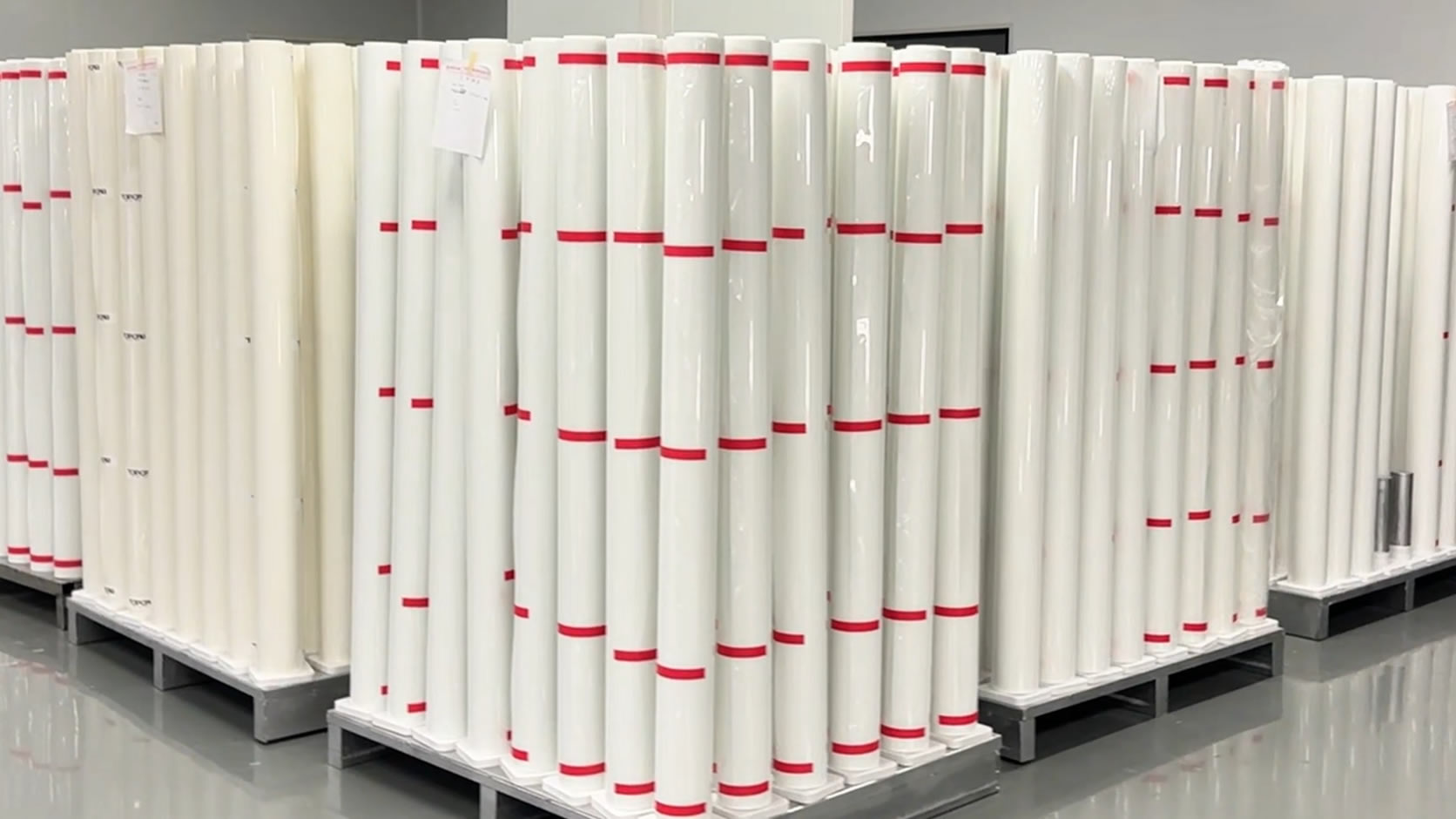
Once processing and the required inspections are complete, the finished PPF rolls are prepared for packaging and shipment.
At this stage, product identification, roll protection, packaging specifications, and order requirements all matter. For international customers, these details should be confirmed before production and shipment to help ensure that the delivered goods match the agreed requirements.
For brands selling under their own labels, packaging and product presentation may also form part of the overall OEM/ODM project.
6. Choosing a PPF Manufacturing Partner
A suitable PPF supplier should offer more than an attractive quotation. Buyers should consider the manufacturer's material knowledge, production capabilities, quality management, communication, and ability to support their target market.
When evaluating a potential partner, consider asking:
-
What TPU materials and film constructions are available?
-
Which product specifications and test reports can be provided?
-
How are appearance and batch consistency managed?
-
Can the manufacturer support OEM, private-label packaging, or product customization?
-
What are the minimum order quantities, lead times, and sample options?
-
Which technical documents and after-sales support are available?
Clear answers to these questions can help buyers assess whether a supplier is suitable for a long-term business relationship.
7. TOPCAR × AICI: Supporting Your PPF Business
TOPCAR is our automotive film brand, supported by AICI's manufacturing capabilities.
We work with distributors, wholesalers, automotive film brands, and professional businesses exploring transparent PPF supply and OEM/ODM cooperation.
Depending on project requirements, cooperation may include product selection, private-label solutions, packaging coordination, and discussions about customized product development.
Whether you are expanding an existing automotive film portfolio or planning to launch your own PPF brand, selecting the right manufacturing partner is an important step.
Looking for a transparent TPU PPF supplier or OEM/ODM partner?
Explore our clear PPF range or contact TOPCAR to discuss your product requirements, samples, and potential cooperation.
-
Explore Clear PPF: //www.topcarppf.com
-
Discuss OEM/ODM Cooperation: Contact the TOPCAR team through our website.
Watch the Transparent TPU PPF Manufacturing Process
Watch our video to see the manufacturing journey, from raw TPU materials through coating, processing, inspection, and finished film rolls.
Understanding the process behind the product can help you ask better questions, evaluate suppliers more effectively, and make informed decisions for your automotive film business.


