
How to Choose PPF for Different Climate Conditions?

Choosing the right paint protection film (PPF) is not only about thickness, gloss, or price. Climate and driving conditions also matter. A vehicle regularly exposed to intense sunlight may need different performance priorities from one driven through freezing winters, heavy rain, coastal air, or dusty roads.
The best PPF for a particular climate is the product whose documented performance, installation requirements, and warranty conditions match the vehicle's real-world environment. There is no single film that is automatically best for every climate.
In this guide, we explain what to look for when choosing PPF for hot, cold, humid, rainy, coastal, and dusty conditions, including the product specifications and practical questions worth checking before you buy.
Quick Guide: Which PPF Properties Matter in Different Climates?
| Climate or Environment | Main Concerns | What to Check When Choosing PPF |
|---|---|---|
| Hot and sunny | UV exposure, heat, surface aging | Documented weathering and UV-resistance performance, topcoat durability, warranty exclusions |
| Cold and snowy | Low-temperature handling, road debris, winter maintenance | Installation temperature requirements, flexibility information, impact-protection claims, cold-weather care instructions |
| Humid and rainy | Frequent moisture, water spots, contamination | Topcoat properties, cleaning guidance, edge installation quality, maintenance requirements |
| Coastal areas | Salt deposits, moisture, airborne contaminants | Chemical and weathering resistance information, cleaning instructions, edge quality |
| Dusty and sandy roads | Abrasion, sand, road debris | Documented abrasion and impact performance, suitable coverage areas, washing procedure |
| Mixed or changing climates | Multiple forms of environmental exposure | Balanced product specifications, clear warranty terms, correct installation and maintenance |
This table is a starting point, not a universal product ranking. Always verify performance using the technical data sheet (TDS), installation instructions, and written warranty for the specific film.
1. How to Choose PPF for Hot and Sunny Climates
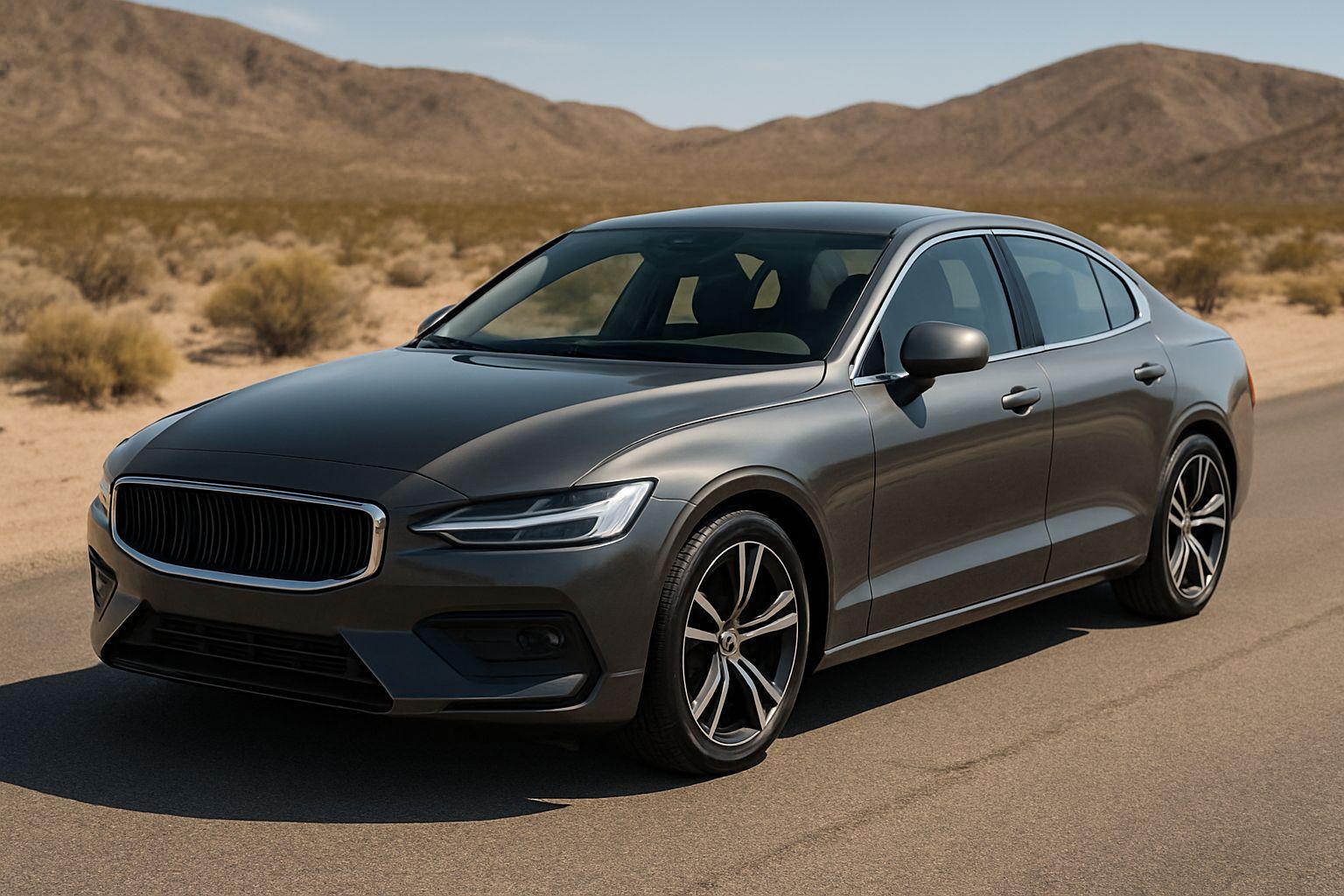
In regions with intense sunlight, high daytime temperatures, and long periods of outdoor parking, UV exposure and heat are important factors to consider.
Sunlight and heat can contribute to aging in automotive films and may affect appearance over time. The degree of change depends on the film's formulation, protective coating, exposure, maintenance, and other conditions.
What should you look for?
UV and weathering performance
Ask whether the manufacturer has documented UV or accelerated weathering test results. Check the test method, exposure conditions, and reported changes in appearance or performance. A general claim such as "UV resistant" is less informative than test information tied to a specific product.
Topcoat durability
The topcoat is the outer surface of the film. Its properties can affect gloss, stain resistance, cleanability, and resistance to certain surface marks. Compare the actual specifications instead of assuming that every TPU PPF has the same topcoat performance.
Heat-related installation requirements
High ambient temperatures can affect film handling, adhesive behavior, and installation timing. Installers should follow the product's recommended application conditions rather than assuming that working in a hot environment is always easier.
Warranty conditions
Check how the warranty addresses yellowing, cracking, peeling, or other relevant issues, and whether it includes exclusions related to climate, maintenance, or installation.
Practical tip
For vehicles frequently parked outdoors in sunny regions, review the manufacturer's weathering information and care instructions before choosing a film. A product's material name alone does not prove that it will perform equally well under every level of UV exposure.
2. How to Choose PPF for Cold and Snowy Climates
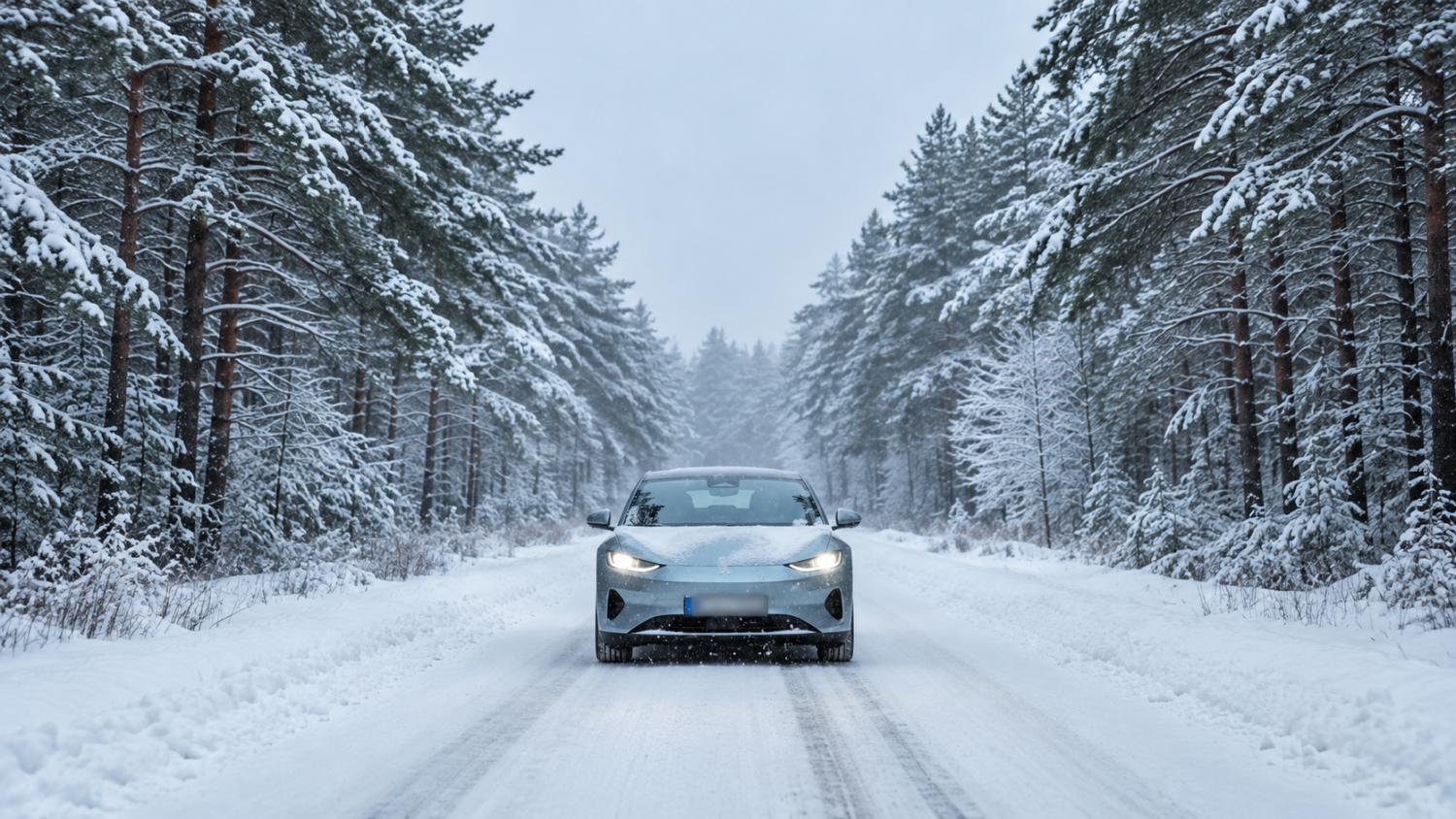
Cold climates introduce a different set of challenges. Vehicles may encounter freezing temperatures, road grit, winter maintenance products, snow, and repeated washing.
The important question is not simply whether a film can be used in a cold country. You also need to understand its installation requirements, intended operating conditions, and care instructions.
What should you look for?
Installation temperature requirements
PPF installation is sensitive to environmental conditions. Check the specified application temperature range and any requirements for the vehicle, film, and installation environment. Applying film outside the recommended conditions can affect adhesion and installation quality.
Flexibility and handling information
Ask the supplier for product-specific information about handling and performance under low-temperature conditions. Do not assume that all polyurethane films behave identically.
Protection for exposed areas
Road debris can damage paint in winter just as it can in other seasons. Depending on driving habits, consider protection for the front bumper, hood, fenders, side mirrors, and lower body panels.
Winter maintenance guidance
Snow brushes, ice scrapers, abrasive dirt, and unsuitable cleaning tools can mark the film surface. Follow the manufacturer's cleaning and winter-care instructions, especially when removing packed snow or road contamination.
Practical tip
For cold-weather markets, evaluate both the film and the installation process. A suitable product installed under unsuitable conditions may not deliver the expected result.
3. How to Choose PPF for Humid and Rainy Climates
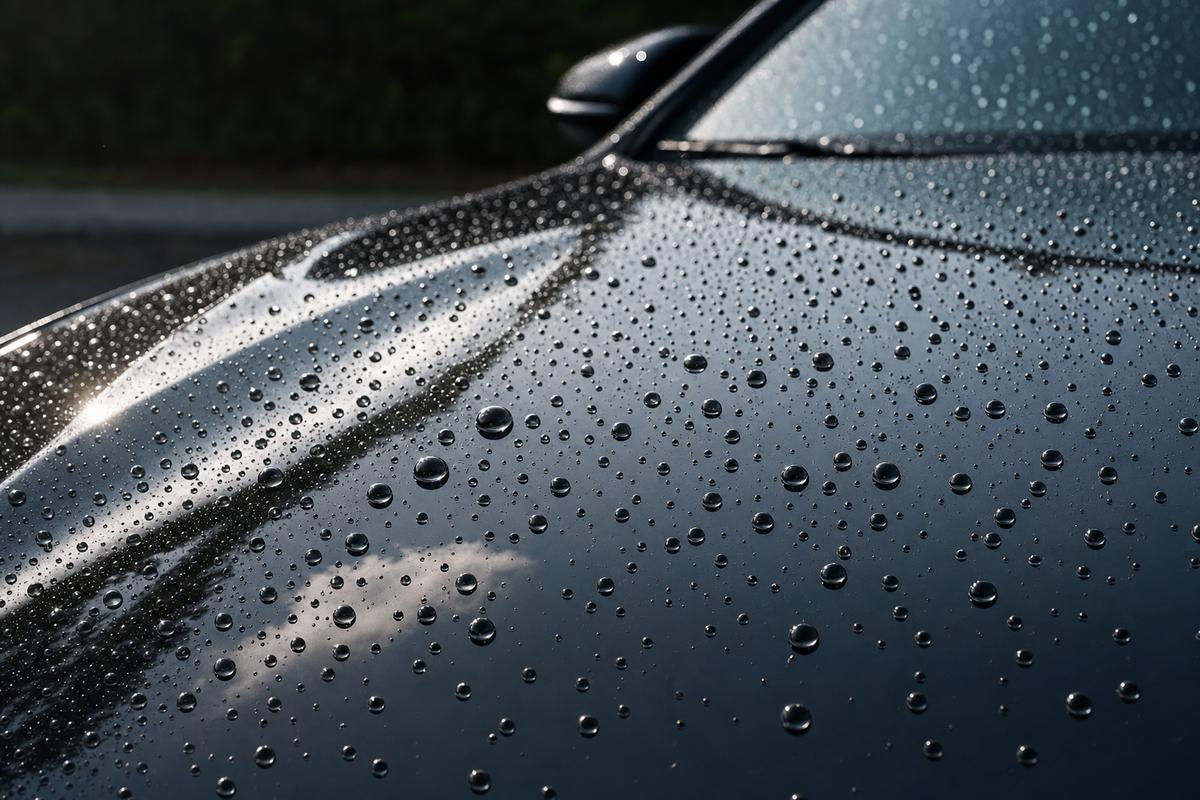
Humid climates and frequent rainfall can leave vehicles exposed to water, dirt, road contaminants, and mineral deposits. However, rain does not affect every film in the same way, and water behavior on a surface should not be confused with overall film durability.
What should you look for?
Topcoat and surface properties
Ask about the film's documented stain resistance, cleanability, and surface performance. Hydrophobic properties may help water bead and roll off a surface, but they do not automatically prove better impact protection or longer service life.
Edge installation quality
Poorly installed edges or areas with inadequate adhesion may become vulnerable to lifting under unsuitable conditions. Proper surface preparation, correct installation, and compliance with the manufacturer's instructions are essential.
Cleaning and water-spot guidance
Water spots can occur when minerals and other residues remain on a surface after water evaporates. Regular, appropriate cleaning can help reduce buildup. Follow the film manufacturer's recommendations for cleaning products and removal methods.
Moisture-related installation instructions
Installers should follow the approved procedure for the specific film and adhesive system. Do not assume every product has the same requirements for moisture, drying, or post-installation care.
Practical tip
For rainy or humid markets, consider the complete package: surface performance, installation quality, cleaning requirements, and warranty terms. A hydrophobic surface can be useful, but it is only one factor in choosing PPF.
4. How to Choose PPF for Coastal Areas
Vehicles near the sea may be exposed to salt deposits, humid air, windblown sand, and frequent outdoor parking. Salt and other contaminants can accumulate on the vehicle and should not be left on the surface unnecessarily.
PPF adds a film layer over the paint, but it should not be treated as a guarantee against every form of corrosion, contamination, or environmental damage.
What should you look for?
Weathering and chemical-resistance information
Ask the manufacturer what testing has been conducted and which chemicals or environmental exposures are covered by the stated results. Avoid interpreting a broad resistance claim as proof of protection against every coastal condition.
Reliable edge and panel installation
Clean, well-finished edges and correct adhesion matter. Poor installation can create areas where dirt or moisture accumulates.
Clear maintenance instructions
Confirm how often the film should be cleaned under the expected conditions and which products should be avoided. Rinsing away salt and other deposits promptly, using an appropriate cleaning method, can help keep the film and vehicle surface in good condition.
Warranty limitations
Check whether the warranty has specific provisions for environmental exposure, staining, discoloration, or maintenance. Do not rely on the headline warranty period alone.
Practical tip
For coastal vehicles, combine a suitable film with regular cleaning and careful inspection. PPF can help protect the painted surface, but maintenance remains important.
5. How to Choose PPF for Dusty and Sandy Environments
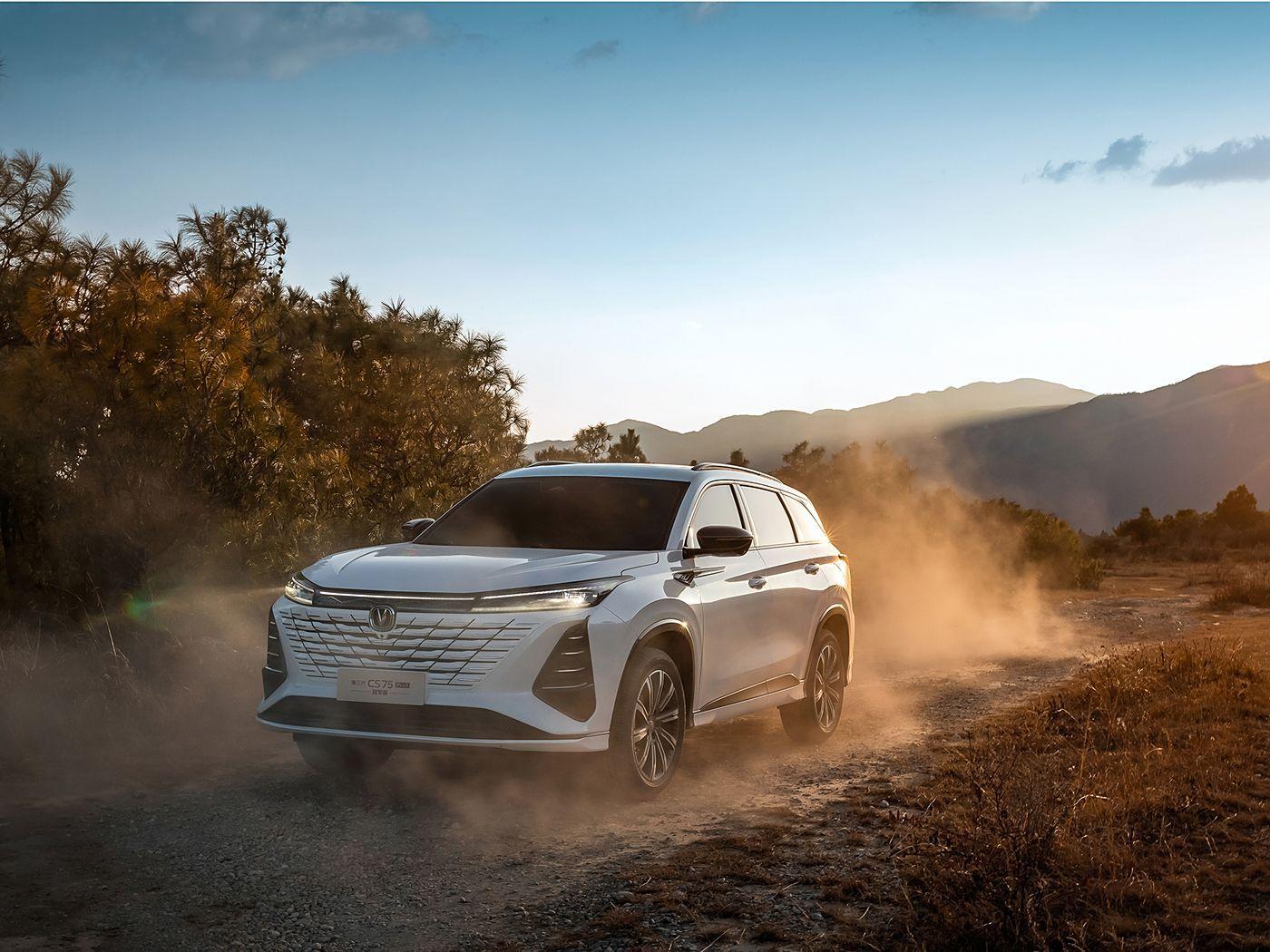
Dusty roads, windblown sand, and loose road debris can create abrasion and impact risks. Vehicles used in these environments may need particular attention to exposed front-end areas and lower panels.
What should you look for?
Documented abrasion and impact performance
Ask what the product is designed to protect against and whether supporting test information is available. Abrasion resistance and impact protection are not the same property, so one test result should not be used to assume performance in every situation.
Suitable coverage
Consider where the vehicle is most exposed. The front bumper, leading edge of the hood, side mirrors, and lower body panels may deserve priority, depending on how and where the vehicle is driven.
Surface maintenance
Fine particles can scratch surfaces when rubbed across them. Avoid dry wiping dusty paint or film. Use an appropriate wash method that removes loose contamination before contact washing, following the manufacturer's care instructions.
Installation and repair options
For vehicles exposed to frequent debris, ask how localized film damage can be assessed and whether affected sections can be replaced. Repairability and replacement costs can influence the total cost of ownership.
Practical tip
In sandy environments, film selection and cleaning habits work together. Even a suitable protective film can be damaged by sharp debris or improper cleaning.
6. What About Regions With Multiple Climate Conditions?
Many markets experience more than one type of weather. A vehicle might face strong sunlight in summer, heavy rain during one season, and cold temperatures in winter.
In these situations, avoid choosing a film based on a single feature alone. Instead, compare several documented properties and consider how the vehicle is actually used.
For example:
-
A vehicle driven long distances on highways may place greater importance on impact protection.
-
A vehicle parked outdoors may need careful evaluation of weathering and appearance retention.
-
A daily driver exposed to frequent rain may benefit from easy-to-maintain surface properties.
-
A vehicle used on dusty roads may need a suitable coverage plan and careful washing routine.
The right balance depends on the vehicle, its exposure, the product's technical data, and the owner's maintenance habits.
7. Does Thicker PPF Always Perform Better in Different Climates?
No. Thickness is one specification, but it does not tell you everything about the film's performance.
Two products with similar thickness measurements may differ in material formulation, topcoat, adhesive, flexibility, optical appearance, and documented resistance to environmental exposure.
When comparing thickness, confirm how it is measured and whether the reported value includes the adhesive and other layers. Use the product's technical documentation to understand what the measurement actually represents.
For more detail, read our guide: PPF Thickness Guide: 7.5 Mil vs 8.5 Mil vs 9.5 Mil.
The best approach is to compare thickness alongside the intended use, performance test results, installation requirements, and warranty conditions.
8. A Practical PPF Buying Checklist for Different Climates
Before choosing a film for a particular market, use this checklist.
Product specifications
-
Confirm the film type and construction.
-
Review the available TDS and installation instructions.
-
Check relevant UV, weathering, abrasion, or impact test information.
-
Confirm whether the product has a self-healing topcoat or specific surface properties, if these features matter to you.
-
Check the measurement method used for thickness.
Installation requirements
-
Confirm the recommended application temperature and conditions.
-
Check surface preparation and post-installation instructions.
-
Use an installer familiar with the product and its requirements.
-
Verify any restrictions that could affect installation in your climate.
Warranty and maintenance
-
Read the actual written warranty.
-
Check exclusions related to environment, installation, and maintenance.
-
Confirm recommended cleaning products and procedures.
-
Understand how to report a defect and what evidence may be required for a claim.
For installers and distributors
If you are buying PPF for a local market, ask the supplier for product-specific technical documents, consistent specifications between batches, clear warranty terms, and installation support.
Where possible, evaluate samples and conduct appropriate local testing before making broad purchasing decisions. A product suitable for one climate or customer group should not automatically be assumed suitable for every market.
Frequently Asked Questions
What is the best PPF for hot climates?
The best choice is a film with documented weathering performance that suits the expected UV and heat exposure, supported by appropriate installation and maintenance instructions. Check the actual product data instead of relying on the material name alone.
Is PPF suitable for cold climates?
PPF can be used in cold-climate markets when the selected product and installation process are suitable. Check application temperature requirements, handling guidance, and the manufacturer's care instructions.
Does rain damage PPF?
Rain alone does not automatically mean that PPF will be damaged. Surface contamination, mineral deposits, installation quality, maintenance, and the product's properties all influence long-term appearance and performance.
Is hydrophobic PPF better for humid climates?
Hydrophobic properties can help water bead and roll off a surface, depending on the product. However, hydrophobic behavior alone does not establish better impact resistance, UV resistance, or overall durability.
Does PPF prevent yellowing in strong sunlight?
Some products are designed and tested for resistance to discoloration, but no general statement can guarantee that every film will remain unchanged under all exposure conditions. Review product-specific weathering data and warranty coverage.
What should installers check before importing PPF into a new market?
Installers and distributors should review the TDS, test methods and results, installation instructions, warranty conditions, maintenance requirements, and local customer needs. Samples and controlled evaluations can help confirm whether a product is suitable for the intended application.
Is thicker PPF better for extreme weather?
Not necessarily. Thickness alone cannot establish weather resistance, flexibility, impact performance, or service life. Compare the complete product specifications and documented test results.
Final Thoughts: Choose PPF Based on Climate, Product Data, and Installation
Different climates create different priorities, but the decision should always be based on more than a single product feature.
For hot and sunny conditions, review UV and weathering performance. For cold climates, check installation requirements and cold-weather care. For humid, rainy, coastal, or dusty environments, consider surface properties, contamination, coverage, maintenance, and documented product performance.
The most reliable way to choose PPF is to match the film's verified specifications and warranty conditions to the vehicle's actual environment, then ensure it is installed and maintained correctly.
If you are comparing PPF options for your vehicle, installation business, or distribution market, review the relevant technical information and consult the supplier about your intended conditions before making a final decision.
What Should Distributors Look for in a PPF Supplier?
Gloss vs Matte PPF: Which One Should You Choose?


