
What Should Distributors Look for in a PPF Supplier?


What Should Distributors Look for in a PPF Supplier?
Choosing the right paint protection film (PPF) supplier is an important decision for automotive film distributors, importers, and businesses planning to build their own brands. The right partner can help you maintain product consistency, manage purchasing costs, meet customer expectations, and develop your business over time.
However, selecting a supplier based on price alone can create challenges, including inconsistent product quality, unclear technical specifications, unexpected lead times, and limited support after delivery.
Before placing an order, distributors should evaluate six key areas: product quality, technical documentation, supply capability, customization options, technical support, and long-term business compatibility.
1. Evaluate Product Quality and Consistency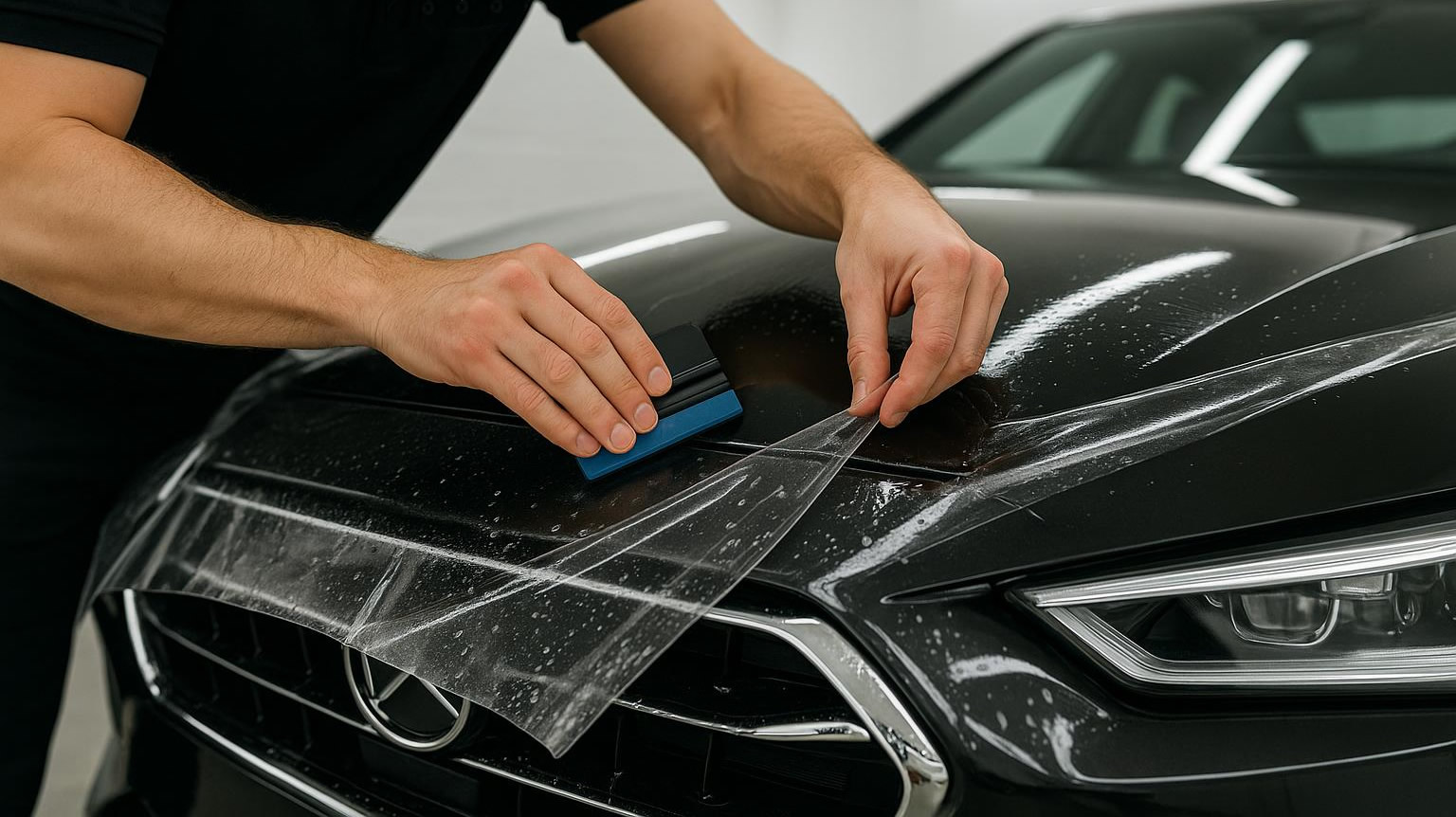
Product quality should be one of the first considerations when comparing PPF suppliers. A film that performs well in one sample may not necessarily deliver the same results across different production batches.
Distributors should evaluate both the product itself and the supplier's approach to quality control.
Key factors to check include:
-
Film material: Confirm the film's material composition and whether it matches your intended product requirements. For TPU PPF, ask the supplier to specify the TPU material used.
-
Thickness: Check the stated film thickness and clarify whether the figure includes the coating and adhesive layers.
-
Surface appearance: Evaluate gloss, clarity, haze, surface uniformity, and other relevant characteristics according to the product specification.
-
Adhesive performance: Ask about adhesive specifications and suitability for the intended installation conditions.
-
Product consistency: Discuss how the supplier controls product specifications and manages quality between batches.
-
Warranty terms: Review the written warranty, including its coverage, exclusions, and claim procedures.
Why Sample Testing Matters
Request samples before committing to a larger order. Where possible, arrange installation and evaluation under conditions representative of your target market.
A practical assessment may include visual inspection, installation handling, surface appearance, and other tests relevant to the product's intended use.
Do not rely exclusively on promotional images or general performance claims. Request supporting technical information and clarify the test methods behind important specifications.
2. Check Technical Data and Product Documentation
Reliable product documentation helps distributors make informed purchasing decisions and communicate accurately with installers and end customers.
Before selecting a PPF manufacturer or supplier, ask which documents are available for the specific product you intend to purchase.
Useful documents may include:
-
Technical Data Sheet (TDS)
-
Product specifications and construction details
-
Applicable test reports, where available
-
Written warranty terms
-
Installation and maintenance instructions
-
Safety or regulatory documentation, where applicable to the product and destination market
Questions to Ask About Technical Specifications
Do not assume that two products are equivalent simply because they have similar thicknesses or prices.
For example, when comparing TPU paint protection films, clarify the material type, total thickness, coating characteristics, adhesive system, and stated performance criteria.
Also ask how the supplier measures and verifies these properties. Different test methods or conditions can produce results that are not directly comparable.
For distributors serving regulated markets, confirm the documentation and compliance requirements applicable to the destination country before importing.
3. Review MOQ, Lead Time, and Supply Capability
A suitable supplier should fit your purchasing model and expected demand. This is particularly important for distributors managing multiple customers, product categories, or regional markets.
Minimum Order Quantity (MOQ)
Ask whether the minimum order quantity applies to each product, color, specification, or total order.
If you are introducing a new product range, clarify whether sample orders or smaller initial purchases are possible. This can help you evaluate demand before committing to larger inventory levels.
Lead Time and Delivery Planning
Confirm the expected production lead time, order confirmation process, shipping arrangements, and how changes to an order are handled.
For repeat purchases, ask how the supplier communicates potential delays and manages orders with multiple product specifications.
Product Range and Availability
Consider whether the supplier's product portfolio matches your market strategy.
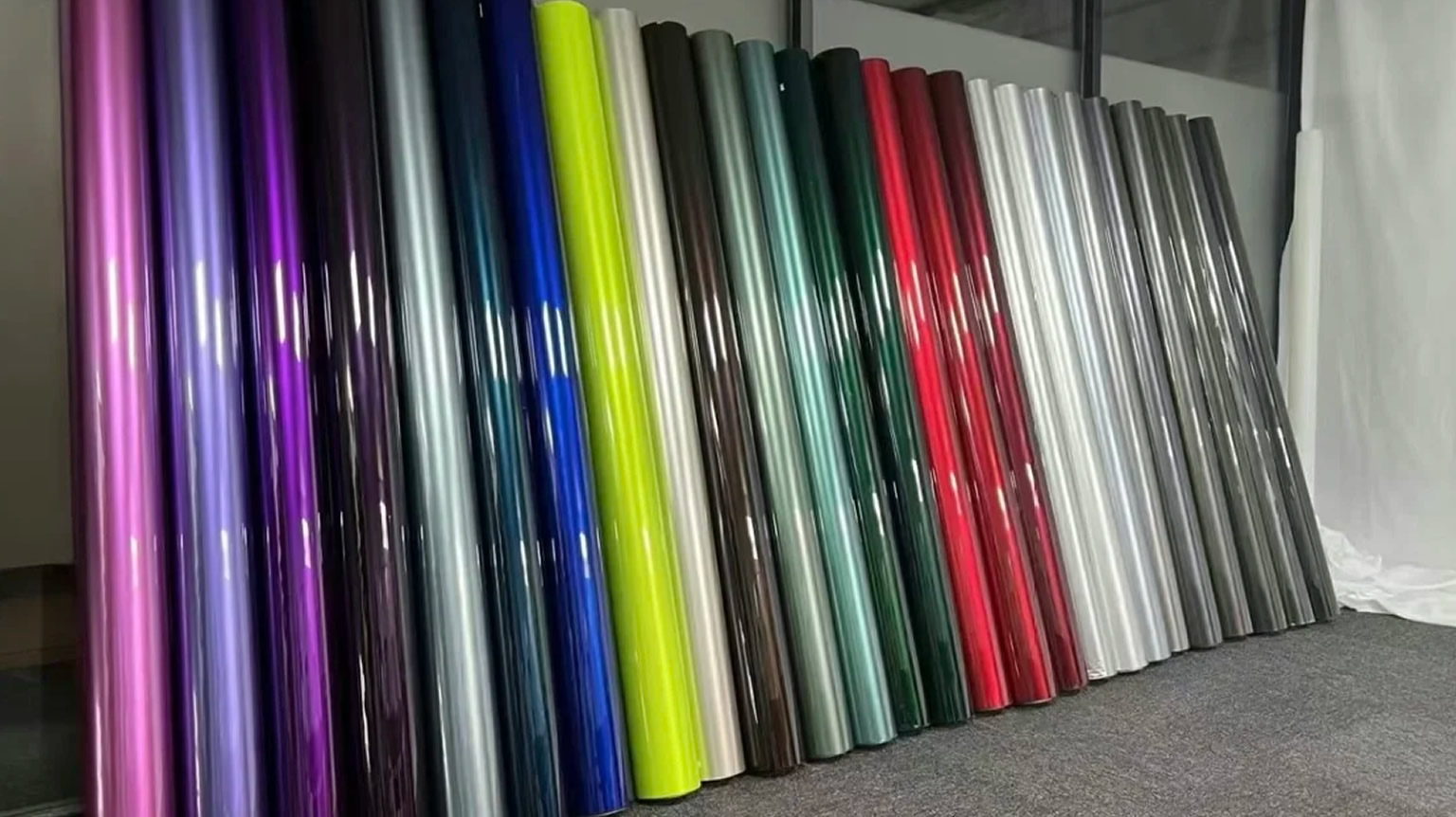
For example, an automotive film distributor may want to source several categories from one business partner:
-
TPU Paint Protection Film (TPU PPF)
-
TPU Color PPF
-
Automotive Vinyl Wrap
-
Automotive Window Film
A broader product portfolio may simplify purchasing coordination, but each product should still be evaluated individually for quality, pricing, and market suitability.
4. Compare OEM and Private Label Options
For distributors building their own brands, OEM and private label capabilities can be important factors in supplier selection.
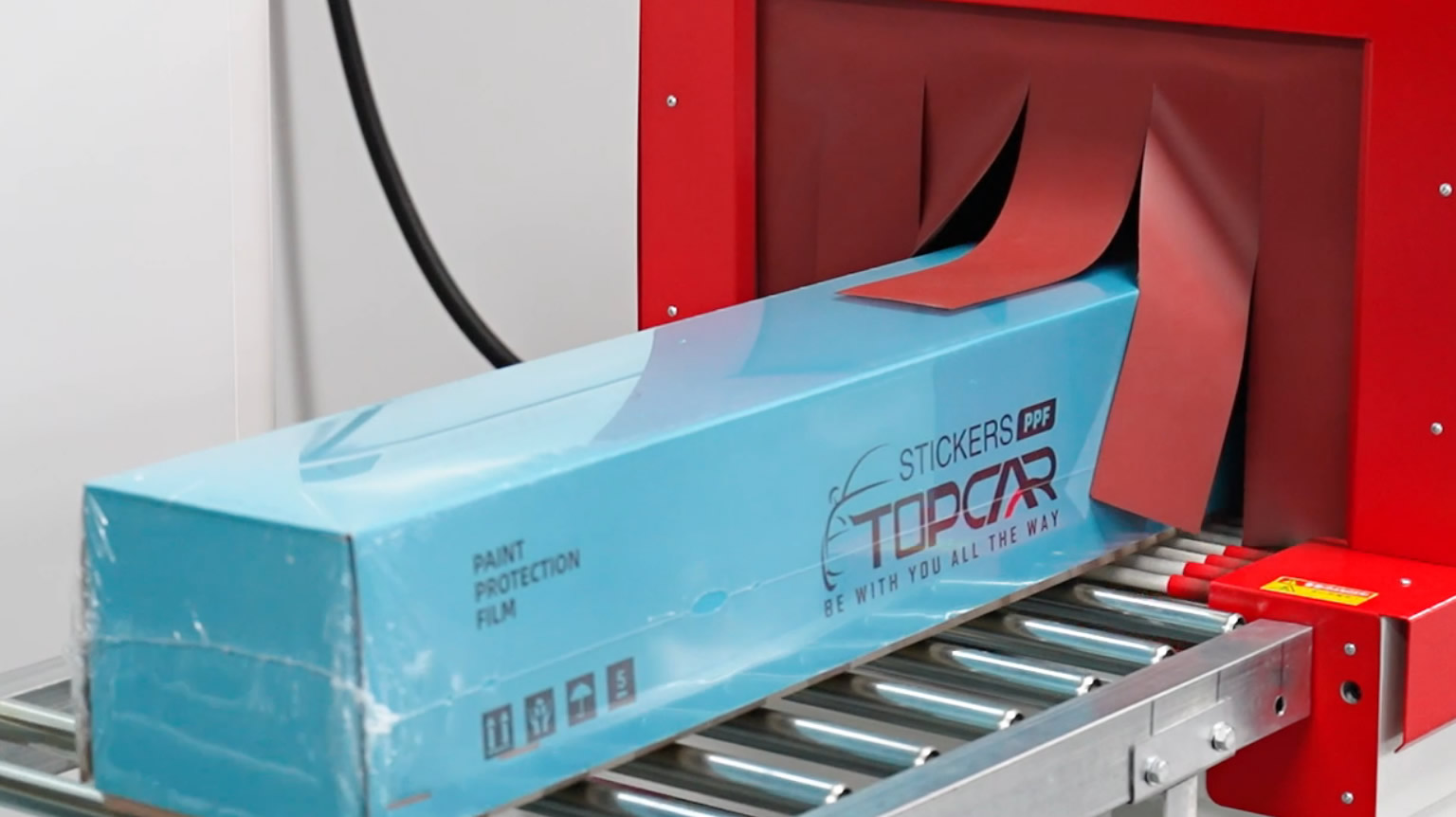
Private label cooperation allows a distributor to develop a branded product offering while working with a manufacturing partner. The available options depend on the supplier's capabilities, minimum order requirements, and agreed specifications.
Before starting a private label project, clarify the following:
-
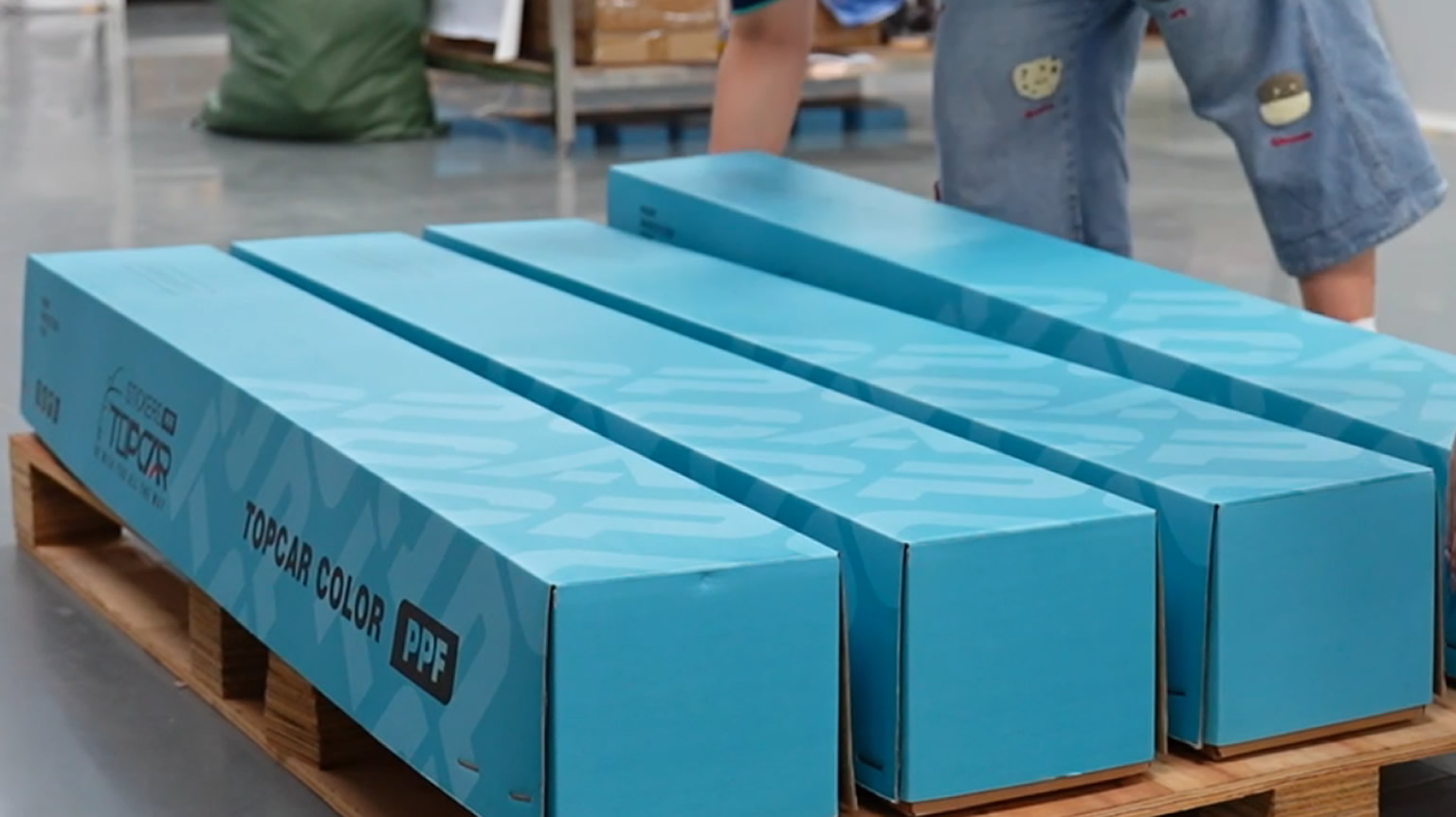
Branding: Can product labels, packaging, and brand identification be customized?
-
Product selection: Which film types, colors, finishes, and specifications are available?
-
Packaging requirements: What packaging formats can be supplied, and what are their minimum quantities?
-
Order requirements: Are MOQ and pricing different for customized products?
-
Artwork approval: How are label designs, packaging artwork, and product information reviewed before production?
-
Commercial terms: How are pricing, lead times, payment terms, and responsibilities agreed upon?
Distributors should request written confirmation of the options available for their chosen products rather than assuming every customization is possible.
A clear agreement at the beginning can help reduce misunderstandings during production and repeat orders.
5. Assess Technical and After-Sales Support
A supplier's responsibilities should not end when an order is shipped. Product questions, installation feedback, and quality concerns may arise throughout the business relationship.
Before choosing a partner, understand how technical and after-sales support is organized.
Consider asking:
-
Are installation instructions and product handling recommendations available?
-
Who should be contacted when a technical question arises?
-
How are product complaints documented and investigated?
-
What information is required to assess a warranty claim?
-
How does the supplier communicate product updates or specification changes?
Distributors should also establish a clear process for collecting feedback from installers and end customers.
When a problem occurs, useful information may include the product batch, installation conditions, photographs, and a description of the issue. This information helps the parties investigate the situation more systematically.
The level of support available should be confirmed before an order is placed, particularly if you plan to distribute products across multiple regions.
6. Choose a Supplier That Fits Your Long-Term Business Goals
The lowest quotation does not always represent the lowest overall business cost.
When comparing suppliers, consider the complete purchasing picture: product price, shipping, import duties, inventory requirements, potential quality issues, and the resources needed to support your customers.
It is also important to assess whether the supplier's product portfolio and cooperation model fit your future plans.
For example, a distributor specializing in premium vehicle customization may prioritize a selection of TPU Color PPF finishes. Another distributor may focus on transparent PPF for professional installation businesses.
The most suitable partner is the one whose products, documentation, commercial terms, and capabilities match your actual business requirements.
PPF Supplier Evaluation Checklist
Use the following checklist when comparing potential suppliers.
-
Product samples have been received and evaluated.
-
Product specifications and material details have been reviewed.
-
Technical documents and available test reports have been checked.
-
Warranty coverage and exclusions are clearly understood.
-
MOQ and pricing structure have been confirmed.
-
Production lead time and delivery arrangements have been discussed.
-
OEM, private label, and packaging options have been clarified, where required.
-
Technical support and complaint-handling procedures are understood.
-
Relevant destination-market requirements have been reviewed.
-
Commercial terms and repeat-order expectations have been agreed upon.
Not every supplier will offer the same services or documentation. Use this checklist to identify gaps, ask follow-up questions, and compare suppliers against consistent criteria.
Frequently Asked Questions
1. How Do I Find a Reliable PPF Manufacturer?
Start by identifying manufacturers whose products match your target market and business model. Request samples, review technical documentation, clarify warranty terms, and discuss order requirements before making a purchasing decision. Where possible, verify relevant business information and arrange independent product testing when necessary.
2. What Documents Should a PPF Supplier Provide?
Commonly useful documents include a Technical Data Sheet, product specifications, written warranty terms, and applicable test reports where available. Installation instructions and destination-market compliance documentation may also be needed, depending on the product and intended market.
3. Can PPF Suppliers Offer Private Label Products?
Some suppliers offer private label cooperation, including customized labels and packaging. Available options, minimum order quantities, product specifications, and lead times vary. Confirm the details for each product and obtain written agreement before starting production.
4. Should Distributors Test PPF Samples Before Placing an Order?
Yes. Sample evaluation helps distributors assess product appearance, installation handling, and suitability for their intended applications. For larger purchasing commitments, consider testing representative samples under realistic conditions and verifying important technical claims before finalizing the order.
Explore TOPCAR Automotive Film Solutions
TOPCAR offers automotive film solutions for distributors, importers, installers, and businesses exploring customized product programs.
Our product portfolio includes:
-
TPU Paint Protection Film (TPU PPF)
-
TPU Color PPF
-
Automotive Vinyl Wrap
-
Automotive Window Film
If you are evaluating automotive film products for your market, explore the relevant product categories and discuss your requirements with our team.
Whether you are expanding an existing product range or exploring private label opportunities, we welcome inquiries about product options, specifications, and potential cooperation.
Looking for an automotive film supplier for your business?
Contact TOPCAR to discuss your target market, product requirements, and potential cooperation opportunities.
How to Choose PPF for Different Climate Conditions?


